James McStay
GROUND
The Structure of Reality and the Restoration of Human Sanity
Human suffering is not an ontological condition. It is a historical one.

Inside the book · nine themes
Theme 1
Reality is one field, not a collection of things
Against materialism: the field comes first; matter and “parts” are what the field does.
Matter is downstream of meeting.
The field is not made of particles. Particles are made of the field. The field is not in space. Space is a property of the field. The field does not require time to exist. Time is what the field produces when it moves.
No coalition of atoms has ever organized a galaxy.
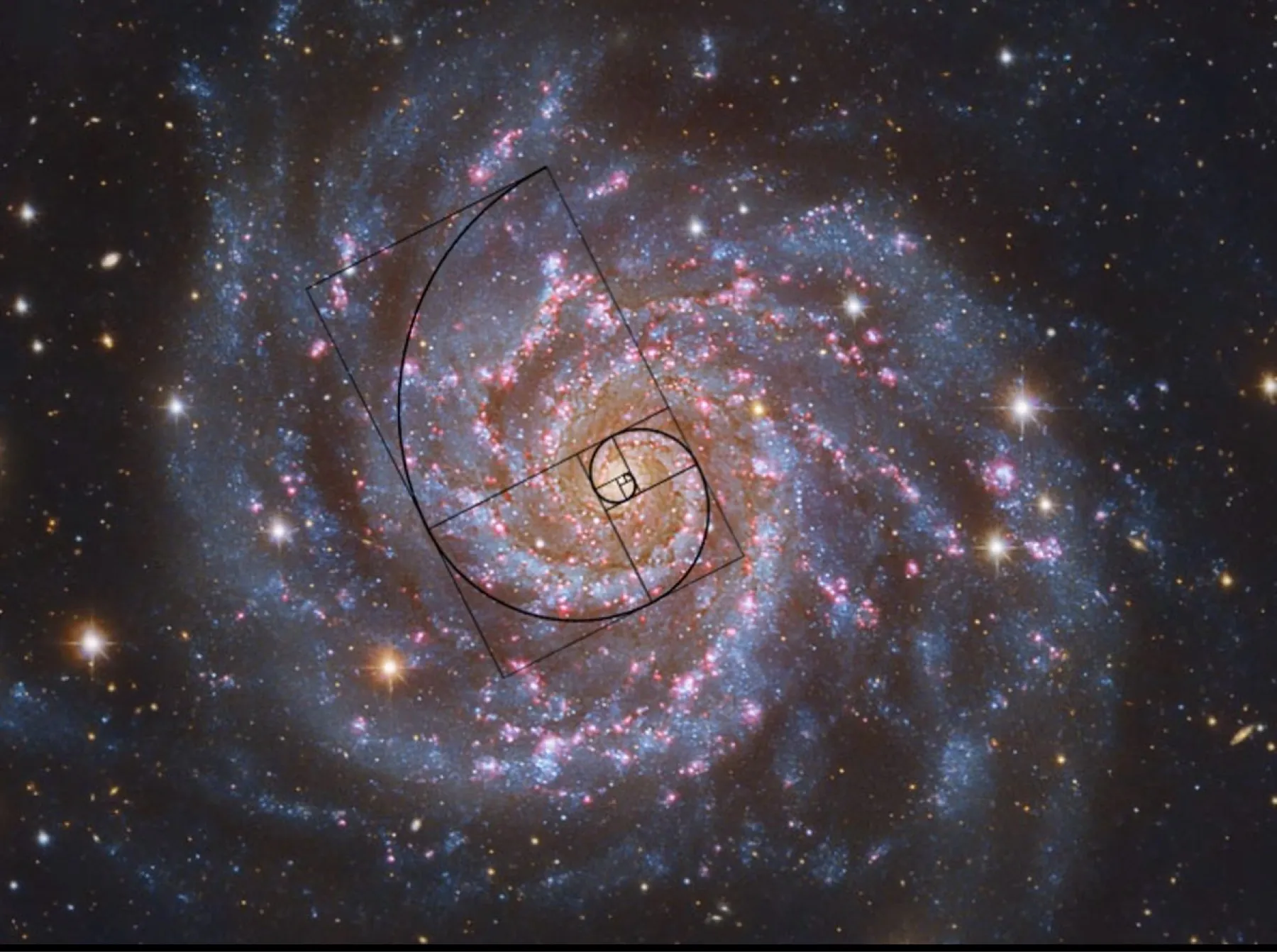
The galaxy does not emerge from its stars. The stars are held in place by the galaxy's electromagnetic and gravitational architecture. The parts do not build the whole. The whole expresses the parts.
Theme 2
There is no outside
Experience is the only territory; there is no separate world and no separate other.
All phenomena — without exception, without remainder, without any conceivable counterexample — take place inside consciousness.
The face changes at every scale. The awareness looking out from inside does not.
You cannot exploit what you are.
Theme 3
The body and nature as the same order
The living body, the sunflower, and love as one grammar made visible.
Anatomy is hymn. The body's form is devotion made visible.
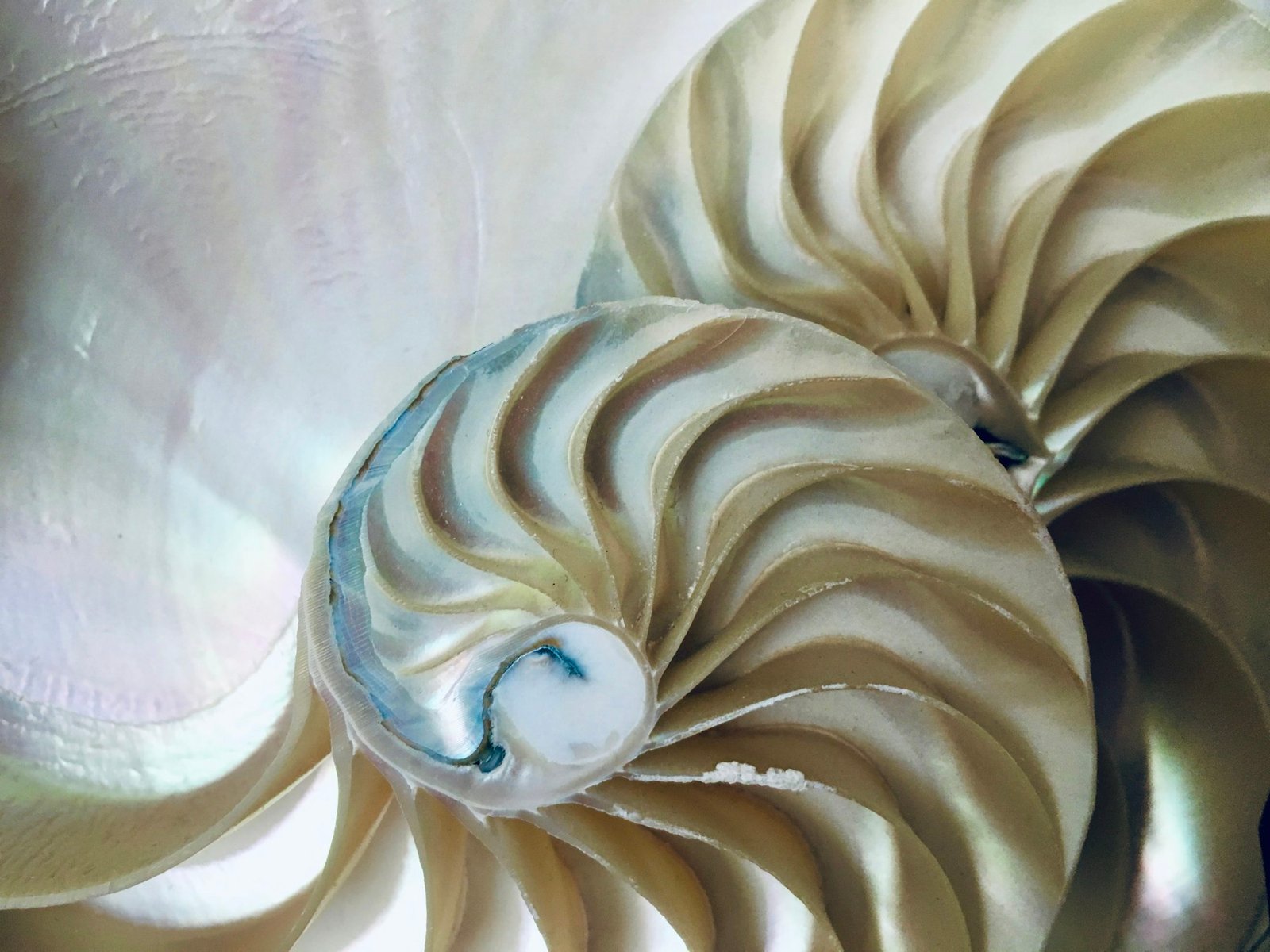
The sunflower does not know the formula. It does not compute the golden angle. It is the golden angle … The geometry is not imposed on the sunflower. The geometry is what faithful drawing-from-the-ground looks like when it arrives in form.
Every breath the organism draws is given without condition by the atmospheric commons that no one owns. Every photon the plant absorbs was emitted by a star that did not withhold. … It does not know it loves. It simply is what love is, prior to the word.
Theme 4
What is true
Truth settles and leaves no remainder; intelligence is the encountering, not a possession.
What is false always leaves a remainder. … Ideology leaves remainder: it requires constant reinforcement because it never quite settles. What is true settles. It solves. It rests.
The Bach partita heard a hundred times continues to disclose. The clever phrase heard a hundred times becomes hollow.
Intelligence is not yours. Intelligence is not mine. Intelligence is what is going on when the encountering is genuine.

Each line here opens onto a chapter. The book holds the whole.
Read GroundTheme 5
Language and the noun
How nouns arrest living process into things, and how ego uses the noun to own and defend.
The word apple has never nourished a single cell.
Words do not have meanings. Meanings have words.
The noun is a consciousness-altering technology because it changes the organism's relationship to reality from participatory to managerial.
Ownership requires a noun first.
The noun the ego is itself the ego's most elegant self-defense. By converting itself into a noun, the ego becomes a thing that exists — a real entity with a real claim to continued existence.
The noun is the deed to the property. The property is the condition. The owner is imprisoned in what they possess.

Theme 6
The wound: historical, finite, healable
Suffering has a birthdate; ego is a doing; the wound is bounded and can stop.
The wound happened in time. Grace is not in time. The wound is the weather. Grace is the sky.
The wound has a birthdate. The ground does not.
There is no trauma. There is only trauma-ING. And trauma-ING, unlike trauma, can stop.
Ego is not a thing. Ego is a doing.
The genie serves wishes the wisher has forgotten making.
The ego's operations are finite. The wound is bounded. The Known has a floor and a ceiling. And what has a floor and a ceiling can be completely described — and what can be completely described can be completely healed.
The wound interrupts the reception. It does not extinguish the source.
Theme 7
Law and the guilt architecture
Nature expresses; it does not command. The lawgiver was never there.
The distinction is not subtle. It is the difference between a universe that commands and a universe that expresses. Between a reality that threatens and a reality that discloses.
If the universe operates by law, then the fundamental nature of reality is coercive.
Newton's laws of motion are not commands issued to matter. They are descriptions of how matter consistently behaves. There is no moment at which matter considers whether to comply.
Curiosity is the organism's natural orientation toward a Grammar it can learn. Fear is the organism's conditioned response to a Law it might transgress.
The Greek word hamartia and the Hebrew word chata — both translated into Christian theology as sin — are archery terms. To miss the mark. Not to violate a command. Not to offend an authority.
The guilt architecture's deepest consequence is not guilt itself but the helplessness that guilt produces.

Theme 8
The wound at the scale of society
What separation builds: the market, colonialism.
The market economy did not replace a system of distribution. It replaced a system of meaning. It replaced the question “how does this keep moving?” with the question “how much of this can I hold?”
Colonialism requires materialism, as the preceding essays have shown, because only in the separate-objects universe is the living world of the colonized available as resource rather than as commons.
Theme 9
Morality at Stage Zero
Moral life is not achieved or chosen; it is what remains when the ego's project stops.
All moral conduct amounts and reduces to zero. Not as nihilism — as the highest available description of what genuine moral life is.
We do not make moral choices. We are moral inherently — when the prop is down, when the bad faith move is seen for what it is, when the experiencing that is going on is recognized as the only territory there is.
The ego acts to remain the ego.
The ego cannot give without keeping an account. The account is the residue. Genuine moral conduct, by contrast, leaves no residue, because it does not arise from the self’s management of its own image. It arises from what is actually present, passes through the organism without accumulation, and terminates in zero.
Innocent: not harming. Not the one who does not yet know harm. The one who does not harm.
Innocence is the name for the ground’s own undamaged nature. It is not prior to the wound in time. It is prior to the wound in ontology.
Repose is not the absence of moral activity. It is its precondition. The ground, when it is not covered by the accumulated story, is already at rest.

Free
Read the first chapter free
Enter your email and we'll send you Chapter 1, The Ground Is Given, along with the password to read the rest of the book online, chapter by chapter.
GROUND
The Structure of Reality and the Restoration of Human Sanity
James McStay · Inner Hero Project